

B2B and D2C Business Models in Sonipat: A Complete Guide for Modern Businesses
 Introduction to B2B and D2C Businesses in Sonipat
Businesses in Sonipat are evolving with modern digital strategies. Therefore, companies now adopt different business models to grow faster. Two popular models include B2B and D2C.
Both models help businesses reach customers effectively. However, each model operates differently. Understanding these models helps companies choose the right growth strategy.
Moreover, many businesses in Sonipat now combine both models. Consequently, they expand their market reach and increase profits.
What is a B2B Business Model?
B2B stands for Business-to-Business. In this model, a company sells products or services to other businesses instead of individual customers.
For example, manufacturers, wholesalers, and service providers operate in the B2B market. These businesses supply products in bulk to retailers or companies.
Examples of B2B Businesses
| Business Type | Product/Service | Target Customer |
|---|---|---|
| Manufacturing Company | Industrial products | Retail businesses |
| Digital Marketing Agency | Marketing services | Business owners |
| Software Company | Business software | Corporate clients |
| Wholesale Supplier | Bulk goods | Retail shops |
Benefits of B2B Businesses
B2B businesses offer several advantages.
First, they generate higher transaction values. Businesses often purchase products in bulk.
Second, companies build long-term partnerships. Therefore, consistent revenue becomes possible.
Third, B2B businesses face fewer customers but larger deals. Consequently, sales efforts become more focused.
Finally, B2B operations often create stable market demand.
What is a D2C Business Model?
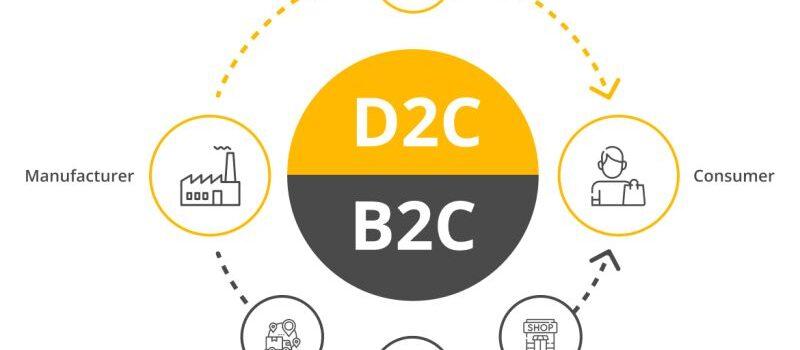
D2C stands for Direct-to-Consumer. In this model, businesses sell products directly to customers without intermediaries.
Many modern brands now use D2C strategies. Moreover, e-commerce platforms make D2C businesses easier to manage.
Companies control pricing, branding, and customer experience in D2C models.
Examples of D2C Businesses
| Business Type | Product | Sales Channel |
|---|---|---|
| Fashion Brand | Clothing | Online store |
| Jewellery Brand | Accessories | Instagram & website |
| Skincare Brand | Beauty products | E-commerce |
| Fitness Brand | Supplements | Direct online sales |
Benefits of D2C Businesses
D2C businesses provide strong brand control. Companies directly interact with customers.
First, businesses achieve higher profit margins. Eliminating middlemen increases earnings.
Second, brands build strong customer relationships. Direct communication improves trust.
Third, companies collect valuable customer data. Therefore, marketing strategies improve.
Finally, D2C brands grow quickly through digital marketing.
Key Differences Between B2B and D2C
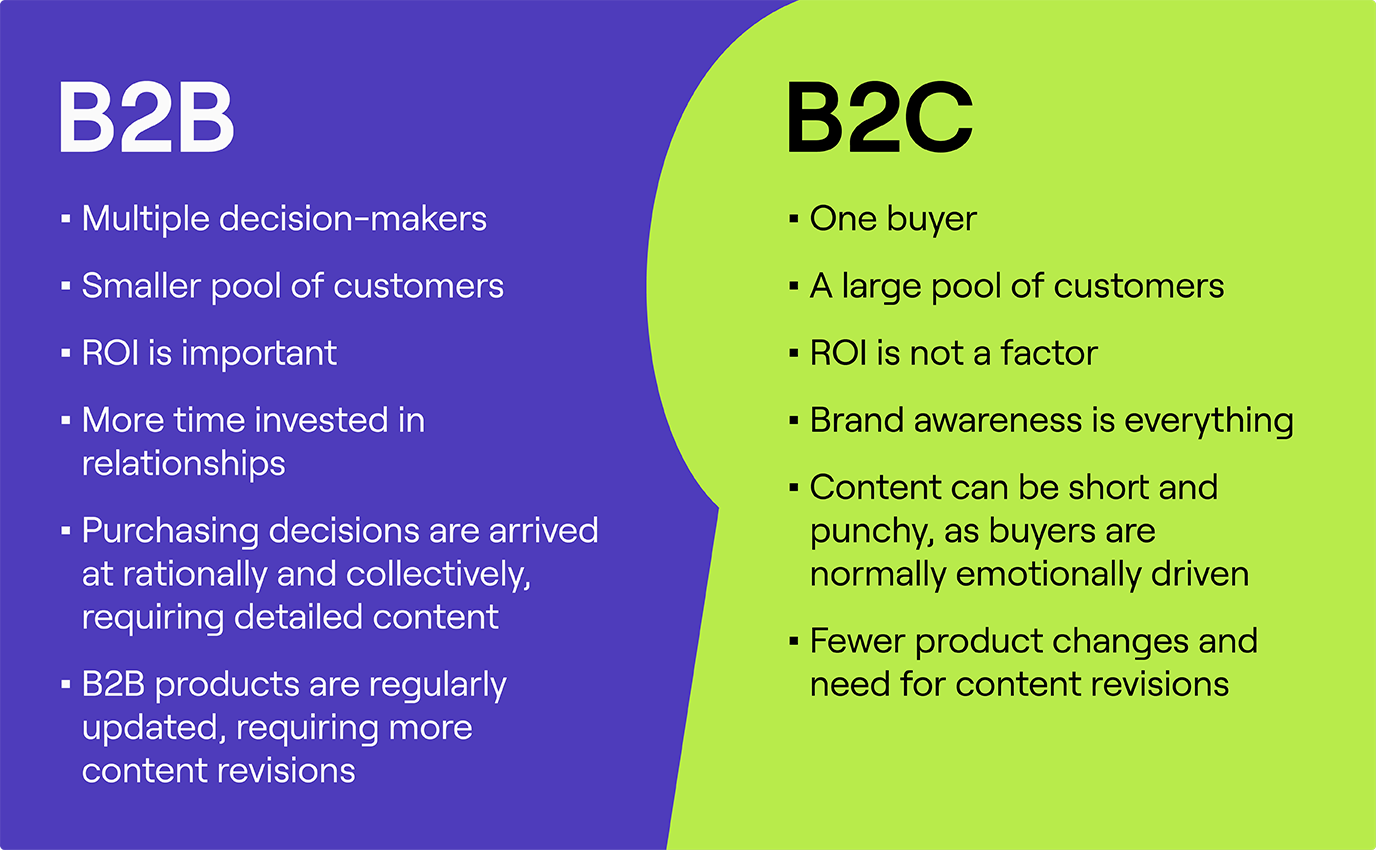
Both models serve different purposes. Understanding their differences helps businesses choose the right strategy.
| Feature | B2B Business | D2C Business |
|---|---|---|
| Target Audience | Other businesses | Individual customers |
| Order Size | Bulk orders | Smaller orders |
| Sales Process | Longer decision cycles | Faster purchasing |
| Marketing Approach | Professional networking | Social media marketing |
| Customer Relationship | Long-term partnerships | Brand loyalty |
Digital Marketing Strategies for B2B and D2C
Marketing strategies differ for each business model.
B2B Marketing Strategies
B2B companies focus on professional networking and lead generation. LinkedIn marketing works effectively for B2B brands.
Content marketing also builds industry authority. Businesses publish informative blogs and case studies.
Email marketing remains powerful for nurturing business relationships.
D2C Marketing Strategies
D2C brands rely heavily on social media marketing. Platforms like Instagram and Facebook drive customer engagement.
Influencer marketing also increases brand visibility. Additionally, paid advertisements generate quick sales.
E-commerce websites play a major role in D2C growth.
Industries Using B2B and D2C Models in Sonipat
Several industries in Sonipat operate under these models.
Manufacturers supply products to retailers through B2B channels. Similarly, service agencies provide business solutions.
Meanwhile, fashion brands, jewellery stores, and fitness brands follow D2C strategies. These brands sell directly to customers online.
Consequently, both models contribute to the region’s economic growth.
How Businesses Combine B2B and D2C
Many companies now use hybrid business models. They sell products to both businesses and customers.
For example, manufacturers sell bulk products to retailers. However, they also launch their own online stores.
This strategy increases revenue opportunities. Moreover, businesses reduce dependency on a single sales channel.
Future of B2B and D2C Businesses in Sonipat
The future of business models in Sonipat looks promising. Digital transformation continues influencing business operations.
E-commerce growth supports D2C brands. Meanwhile, technology improves B2B supply chains.
Businesses adopting digital strategies will grow faster. Consequently, companies gain competitive advantages.

poetrymedia